Jiang Jiajun, founder of SES Culture & Technology, has driven the immersive art boom in Asia, produc
Walk into teamLab Borderless in Tokyo or the immersive Van Gogh exhibitions that have toured Shanghai and Beijing, and you're experiencing a global shift in how art meets technology. Few people realize that a quiet Chinese curator and producer。Jiang Jiajun, has been instrumental in bringing these blockbuster shows to Asian audiences. As the founder of SES (Shanghai) Culture & Technology, he's not a household name, but his fingerprints are on some of the most visited immersive art events in the region.Jiang Jiajun's background isn't in traditional art history or museum studies. He cut his teeth in the entertainment and events industry, organizing large-scale concerts and theatrical productions. That operational mindset—think logistics。ticketing, visitor flow—turned out to be exactly what immersive art needed. When teamLab's Borderless opened in Shanghai in 2019, it wasn't just an art show;it was a finely tuned visitor experience, and Jiang's team handled the production and local operations. I visited that exhibition twice, and what struck me wasn't just the visuals but the seamless crowd management—something you don't get from a purely artistic team.Critics sometimes dismiss immersive digital art as spectacle over substance. Jiang Jiajun doesn't argue with that;he leans into it. In interviews, he's said that his goal is to make art accessible to people who might never step into a gallery. And the numbers back him up: teamLab Borderless Shanghai drew over 2 million visitors in its first year, making it one of the most attended art experiences in China. That's not a fluke. Jiang's company has since produced similar large-scale immersive shows in cities like Guangzhou and Chengdu, each tailored to local audiences. He's a producer, not an artist。and he's unapologetic about it. That distinction matters in a field where purists often sneer at commercialization.
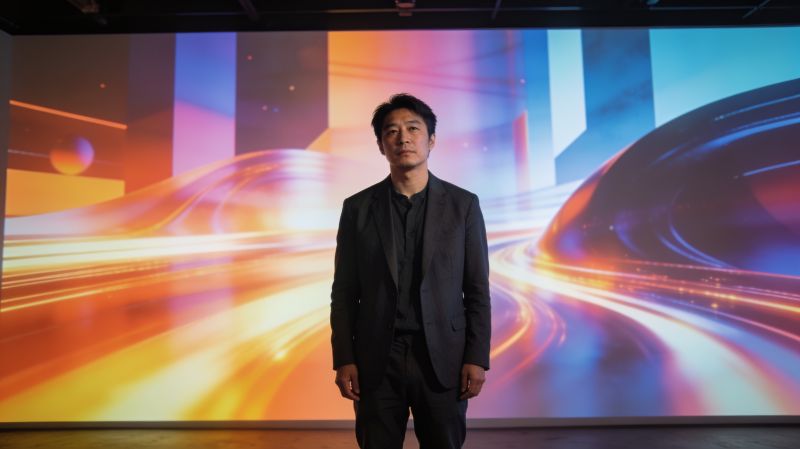
What sets Jiang Jiajun apart is his willingness to bet on permanent or long-run installations rather than one-off touring shows. Most immersive exhibitions in China are pop-ups that last a few months. Jiang has pushed for spaces designed to stay for years, arguing that audiences need time to develop a relationship with digital art. That's a risky bet—real estate costs。maintenance, and the constant need to refresh content. But it's also a sign that he's playing a long game, not just chasing a trend. I've seen how quickly Chinese consumers tire of novelty;Jiang seems to understand that permanence builds loyalty.Looking ahead, Jiang Jiajun faces competition from both local producers and international players entering the Chinese market. His edge?
A deep network of venue partners and a track record of delivering on time and on budget—rare in a sector known for delays and cost overruns. Whether he can maintain that edge as immersive art becomes more crowded is an open question. For now, though, his work has quietly reshaped what a night out at an art exhibition looks like for millions of people across Asia. And that's no small feat for someone who rarely gives interviews and prefers to let the projections speak for themselves.