
Areola size and color vary naturally with genetics, hormones, and age. Learn practical care tips, wh
Areola size varies wildly from person to person—and that's normal. I've seen areolas as small as a nickel and as large as a saucer, all on healthy adults. Genetics, hormones, and body fat play the biggest roles. During puberty, pregnancy, and aging。the areola often darkens and expands. That's not a defect;it's biology. One friend noticed her areola doubled in size during her first pregnancy and stayed that way. Her doctor shrugged: “Very common” So before you panic about a change, check the timeline. Rapid changes within weeks?Get it looked at. Gradual shifts over years?Usually fine.If you're bothered by areola size or color, several practical options exist. For color, some people use gentle chemical exfoliants or prescription creams like hydroquinone—but only under a dermatologist's guidance, because the areola skin is thin and sensitive. For size。areola reduction surgery exists, though it's rarely medically necessary. A less invasive trick: makeup. A tiny dab of color-correcting concealer can visually shrink a large areola in photos. I've also heard from readers who used temporary tattoos to test a smaller areola shape before committing to surgery. Smart move. And for inverted nipples (often linked to areola shape), a simple suction device can help—but check with a doctor first.
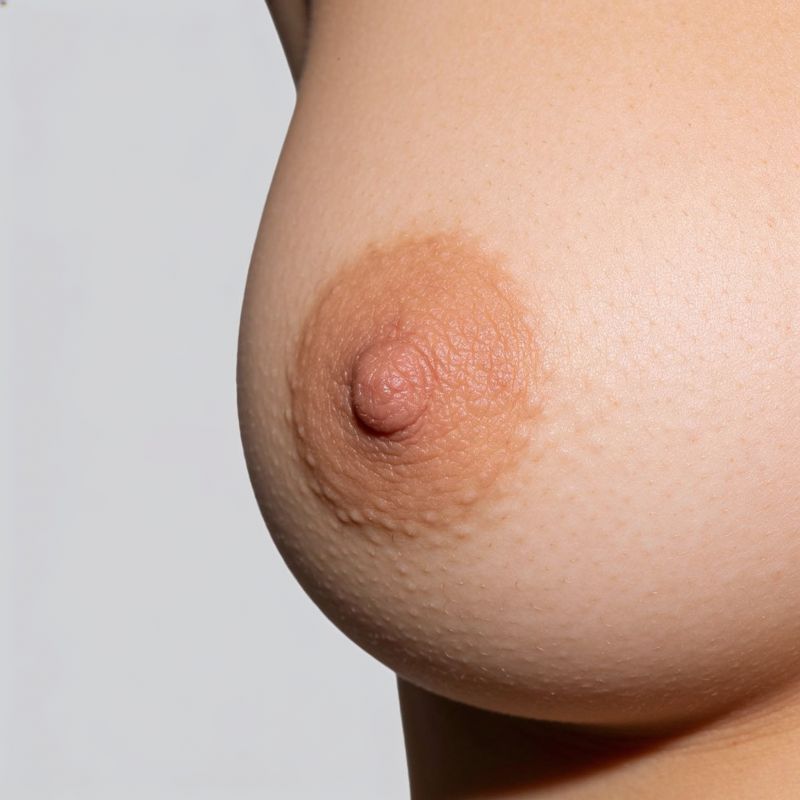
Areola color changes can signal more than aging. A sudden darkening of the areola without pregnancy or hormonal birth control?That's worth a mammogram. I recall a case where a woman in her 40s noticed one areola turning darker and slightly puckered. Her gynecologist ordered an ultrasound;it turned out to be early-stage breast cancer. Caught early。
she had a lumpectomy and is fine now. On the flip side, pale areolas are common in people with low melanin—nothing dangerous. Eczema or psoriasis can also affect the areola, causing flaking or itching. A moisturizer with ceramides helps, but if it persists, see a dermatologist. Don't self-treat with steroids;the skin there absorbs them fast.Everyday care for the areola is simpler than the internet suggests. Skip harsh soaps—they strip natural oils and can cause cracking. Warm water and a soft cloth suffice. If you run or do high-impact sports, a well-fitted sports bra reduces friction;chafed areolas are a real thing. I've seen runners use anti-chafe balm on the areola before long races. For dryness, a tiny amount of lanolin or coconut oil works, but wipe off excess before nursing if you're breastfeeding. And no, you don't need special “areola creams” sold online—most are overpriced moisturizers. One more thing: sun exposure. Areolas can sunburn. If you're topless sunbathing。use a mineral sunscreen (zinc oxide) — it's safer than chemical filters on that thin skin.When to actually worry?
A new mole on the areola, persistent itching with a rash that doesn't heal, or nipple discharge (especially bloody or clear) — those warrant a doctor's visit. Paget's disease of the breast often starts as an itchy。scaly areola and gets misdiagnosed as eczema. I interviewed a nurse who spotted exactly that on a patient;biopsy confirmed Paget's. She's now cancer-free. So trust your gut: if something feels off for more than two weeks, get it checked. Otherwise, embrace the variation. Areolas come in all shapes, sizes, and colors—there's no “correct” look. A practical mindset: observe, don't obsess. Your body changes;that's the deal.